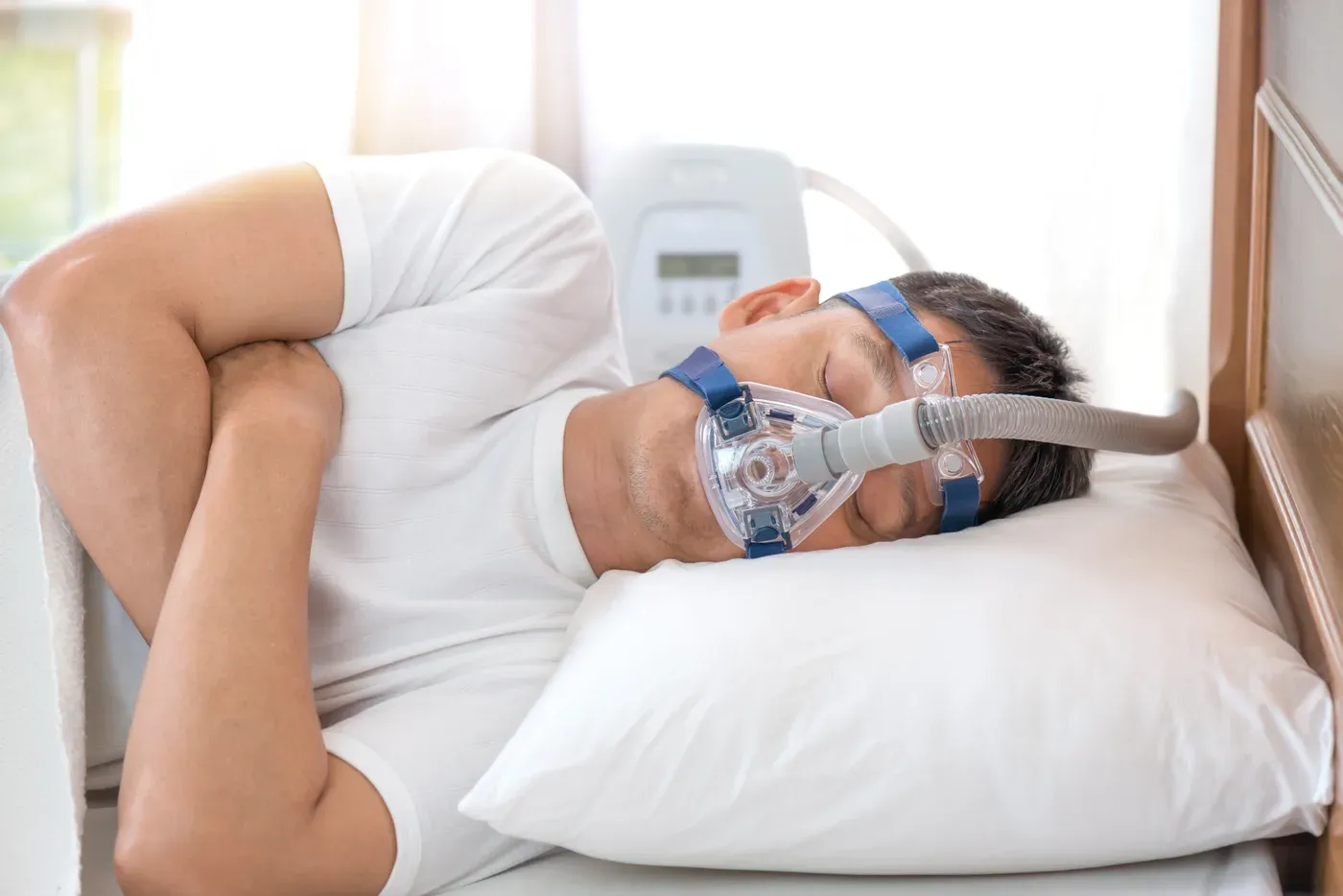
Sleep apnea and weight are closely linked, and both weight loss and exercise can reduce its severity. In a large population study, losing 10% of body weight predicted roughly a 26% drop in breathing interruptions per hour of sleep, and gaining 10% made moderate-to-severe sleep apnea about six times more likely. Exercise helps too, even with little weight loss: supervised programs reduced apnea severity and daytime sleepiness. But sleep apnea is a medical condition. It needs a diagnosis, and if you’re prescribed CPAP, training and weight loss work alongside it, not instead of it.
Signs it might be sleep apnea
Many men don’t know they have it; a partner often notices first. The Public Health Agency of Canada lists these signs and says to see your doctor if you have any of them:
- Daytime sleepiness
- Loud snoring followed by silent pauses
- Gasping or choking during sleep
- Morning headache
- Irritability or mood changes
- Poor concentration or memory loss
- Lowered sex drive
- Falling asleep while driving
Snoring on its own doesn’t mean you have sleep apnea, but snoring with pauses, gasping and daytime sleepiness is worth a doctor’s visit. Your doctor may send you for an overnight sleep study or a home test. Left untreated, PHAC notes, sleep apnea can lead to high blood pressure, stroke, heart attack, depression and motor vehicle collisions. That’s why this isn’t something to manage with a fitness plan alone.
How much weight loss matters
The best evidence comes from a study that followed 690 working adults (average age 46, 56% men) and tested their sleep twice, four years apart (Peppard et al., 2000).
| Change in body weight | Effect on sleep apnea severity (AHI) |
|---|---|
| 10% weight loss | About 26% decrease in breathing interruptions per hour |
| Stable weight | No change expected |
| 10% weight gain | About 32% increase; roughly 6 times the odds of developing moderate-to-severe sleep apnea |
PHAC uses the same figure in its advice: a 10% weight loss, which is 20 lb for a 200 lb man, can greatly reduce the number of sleep apnea episodes each night, and for mild sleep apnea, lifestyle changes may get rid of the symptoms altogether.
For most men, 10% is a realistic target over six months or so, not six weeks. Carrying fat around the middle and neck matters most; the guide to visceral fat in men over 40 explains why waist size is the number to watch.
Exercise helps beyond weight loss
A meta-analysis of supervised exercise studies in adults with sleep apnea found that exercise reduced the apnea-hypopnea index by about six events per hour on average, improved daytime sleepiness, sleep efficiency and fitness, and did this with only minimal changes in body weight (Iftikhar et al., 2014). The studies were small (129 participants in total), so the exact figures are uncertain, but the direction is encouraging: training helps even before the scale moves much.
How to train with sleep apnea
Get your doctor’s go-ahead first if you’re newly diagnosed or untreated, or if you also have high blood pressure or a heart condition. Then:
| Week | Aerobic | Strength | Notes |
|---|---|---|---|
| 1–4 | 20–30 min walking or cycling most days | 2 sessions, light to moderate, 2 sets | Breathe steadily; no breath-holding on lifts |
| 5–12 | 30–45 min, building to 150+ min a week | 2–3 sessions, gradually heavier | Add one brisker session a week if you’re sleeping better |
| 13–26 | Maintain; add variety (rower, hills, sport) | 3 sessions with steady progression | Recheck with your doctor as weight comes down |
Low-impact options (cycling, rowing, incline walking, swimming) suit heavier men better than running at the start. Untreated sleep apnea leaves many men exhausted, so expect early sessions to feel harder and progress the plan more slowly than usual.
PHAC also suggests not exercising in the three hours before bed if you have sleep apnea, as a hard workout right before bed can make sleep harder.
The other levers
Exercise and weight loss work best with the rest of PHAC’s advice:
- Avoid alcohol and sleeping pills in the evening. They relax the throat muscles and can make breathing pauses longer. The guide to alcohol and fat loss helps if drinking is part of your evening routine.
- Stop smoking, which irritates the throat.
- Keep a regular sleep schedule. Being overtired can make symptoms worse.
- Sleep on your side rather than your back, propped with pillows if needed.
- Keep using your treatment. CPAP is the most common treatment, and good sleep from treatment usually makes training and fat loss easier, not harder.
What to expect over six months
Done steadily, a plan built on gradual weight loss, regular exercise and less evening alcohol can make a real difference in how you sleep and feel. Your doctor will decide whether and when to retest your sleep and whether your treatment needs to change. Don’t change your treatment on your own because you feel better.
A goal like a 10% weight loss with better fitness and new habits is a six-month project. The 6-Month Full Reset ($3,500) is FITWITHIM’s longest program, with a body-composition strategy, phased strength programming, recovery and habit coaching and a long-term maintenance plan. It works alongside your medical care. If you’re still working out whether you have sleep apnea, start with the always-tired checklist and your doctor.
Questions people also ask
Can losing weight cure sleep apnea?
Sometimes it reduces it a lot. Canadian public-health guidance says lifestyle changes may remove the symptoms of mild sleep apnea altogether. For moderate or severe sleep apnea, weight loss usually reduces severity but treatment is still needed. Your doctor decides, often with a repeat sleep test.
How much weight do I need to lose to help sleep apnea?
In a large study, a 10% loss of body weight predicted about a 26% drop in the number of breathing interruptions per hour. The Public Health Agency of Canada uses the same 10% figure: 20 lb for a 200 lb man.
Is it safe to exercise with sleep apnea?
For most people, yes, and it's encouraged, but get your doctor's input first if your sleep apnea is untreated, or if you also have high blood pressure or a heart condition. Start gradually and keep using your treatment.
Does exercise help sleep apnea even without weight loss?
A meta-analysis of supervised exercise programs found reduced sleep apnea severity, less daytime sleepiness and better sleep efficiency, with only small changes in body weight.