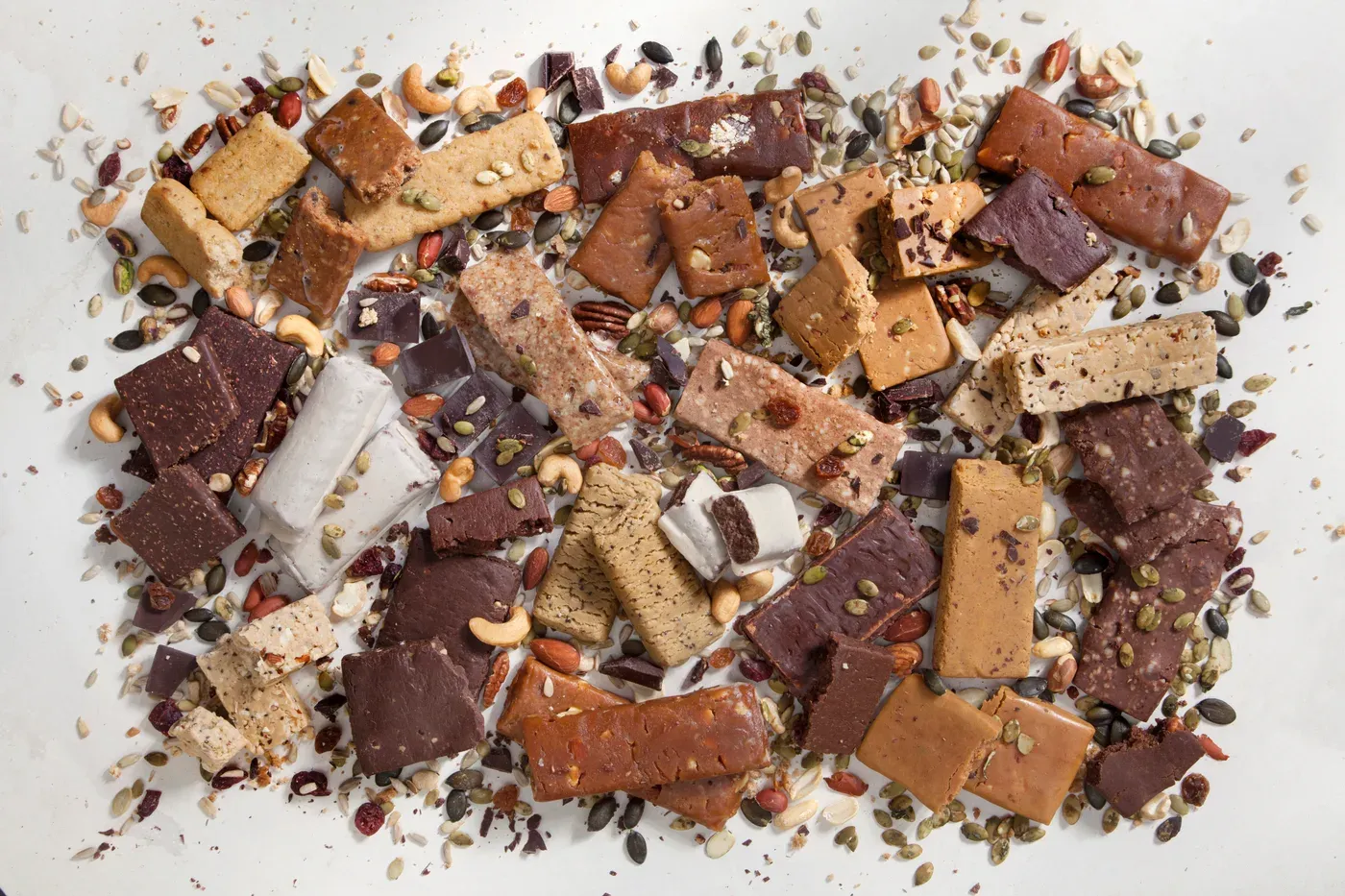
To stop sugar cravings, deal with what drives them rather than relying on willpower: eat regular meals with 30 grams or more of protein, cut out sugary drinks first, get more sleep, and keep sweets out of the house and off your desk. Give those changes two consistent weeks before you judge them. Replace the habit with fruit, yogurt or a planned dessert rather than trying to go to zero overnight.
What’s behind a sugar craving
Cravings feel like a willpower problem, but they usually have practical causes:
| Driver | What it looks like | What helps |
|---|---|---|
| Long gaps between meals | Vending machine at 3 p.m., raiding the pantry at 6 | Regular meals with protein |
| Low protein | Cereal and toast breakfasts, salads at lunch | 30 to 40 g of protein per meal |
| Short sleep | Strong urges for sweets and junk food the next day | An earlier, more consistent bedtime |
| Liquid sugar | Specialty coffees, pop, juice | Swap drinks first |
| Habit and cues | Dessert after every dinner, a treat with coffee | Replace the routine, not just the food |
| Availability | Office treats, a cupboard of snacks | Keep sweets out of sight and reach |
Sleep is a big one. In a brain-imaging study, sleep deprivation reduced activity in the brain’s evaluation regions and amplified reward-related activity, and people’s desire for high-calorie foods rose with how sleep-deprived they felt (Greer et al., 2013).
Protein matters too. When people raised protein from 15 to 30% of calories in a controlled study, they spontaneously ate about 440 fewer calories a day and reported feeling more satisfied (Weigle et al., 2005).
Where the sugar actually comes from
Health Canada lists the foods highest in sugars: fruit juice, sugary drinks, chocolate and candy, bakery products such as cakes, doughnuts, cookies, pastries and granola bars, ice cream and frozen desserts, and honey and syrups, including maple syrup. Eating too many added sugars is linked to excess calorie intake, which can lead to weight gain and, in turn, raises the risk of type 2 diabetes and heart disease.
For many men, the biggest source isn’t dessert. It’s drinks: pop, sweetened iced teas, energy drinks, and specialty coffees with syrups. Canada’s food guide recommends replacing sugary drinks with water and making water your drink of choice.
Reading Canadian labels for sugar
Two quick checks on packaged foods:
- The front-of-package symbol. Health Canada requires a black and white magnifying-glass symbol reading “High in” on prepackaged foods that meet or exceed set levels of sugars, sodium or saturated fat (Health Canada). If it says “High in sugars,” that’s a treat, whatever the rest of the package suggests.
- The ingredient list. Sugar hides under many names: glucose-fructose, cane sugar, honey, maple syrup, dextrose, fruit juice concentrate. Several of them in one list adds up.
Granola bars, flavoured yogurts and “healthy” cereals are the usual surprises.
A two-week plan
This is a step-by-step approach rather than a cold-turkey ban.
Week 1: Fix the foundations
- Drinks first. Replace sugary drinks with water, sparkling water, black coffee, tea or unsweetened milk. Diet pop is a reasonable stepping stone if you need one.
- Breakfast with protein. At least 30 g: eggs, Greek yogurt, cottage cheese. See the breakfast ideas.
- No more than five hours between meals. Add a planned protein snack if there’s a long afternoon gap.
- Clear the house and desk. Move sweets out of sight or stop buying them.
Week 2: Replace the habits
- Swap the 3 p.m. treat for a protein snack such as yogurt, jerky or cottage cheese. The high-protein snacks list has options. If the afternoon slump is the trigger, the afternoon energy crash guide covers the causes.
- Change the after-dinner routine. Fruit with Greek yogurt, a cup of tea, or a short walk.
- Plan a dessert, two or three times a week, so it’s a choice rather than a lapse. The high-protein dessert recipes help here.
- Go to bed 30 minutes earlier for the week and notice the difference in next-day cravings.
Fruit isn’t the enemy
Health Canada recommends a healthy eating pattern where most sugars come from fruit, vegetables and unsweetened dairy such as milk and plain yogurt. Whole fruit brings fibre and water, and it’s one of the best replacements for sweets. Juice is different: it’s on Health Canada’s list of high-sugar foods.
When cravings might be something else
Strong, constant cravings combined with excessive thirst, frequent urination, unexplained weight loss or blurred vision are worth a visit to your doctor, since they can be signs of high blood sugar. If you’ve been told you have prediabetes, the prediabetes guide explains how exercise and eating changes fit together.
Start with your biggest sugar source
Start with the single biggest source of sugar in your week, usually drinks, and replace it today. Run the two-week plan, then keep what worked. If evening sweets are your main problem, the late-night snacking guide goes deeper. And if you’d like a coach to help spot your patterns and adjust your plan week to week, that’s part of monthly 1:1 coaching.
Questions people also ask
Why do I crave sugar so much?
Common reasons are long gaps between meals, too little protein, short sleep, stress, habit (dessert after dinner, a treat with coffee) and simply having sweets in the house. Usually it's two or three of these together.
How long does it take to stop craving sugar?
It varies from person to person. Give the two-week plan below a full run before judging it. The habit side, such as dessert after every dinner, often takes longer to fade than the hunger side.
Are artificial sweeteners okay when cutting sugar?
Diet drinks can be a useful stepping stone away from regular pop, since they don't add sugar or calories. Water is still the best everyday drink, as Canada's food guide recommends.
Is fruit sugar a problem?
No. Health Canada recommends a healthy eating pattern where most sugars come from fruit, vegetables and unsweetened dairy. Whole fruit brings fibre and is a good replacement for sweets.
Sources
- Health Canada — Sugars
- Health Canada — Nutrition labelling: front-of-package nutrition symbol
- Health Canada — Canada's food guide: sugary drinks
- Greer et al. (2013), The impact of sleep deprivation on food desire in the human brain, Nat Commun
- Weigle et al. (2005), A high-protein diet induces sustained reductions in appetite and ad libitum caloric intake, Am J Clin Nutr