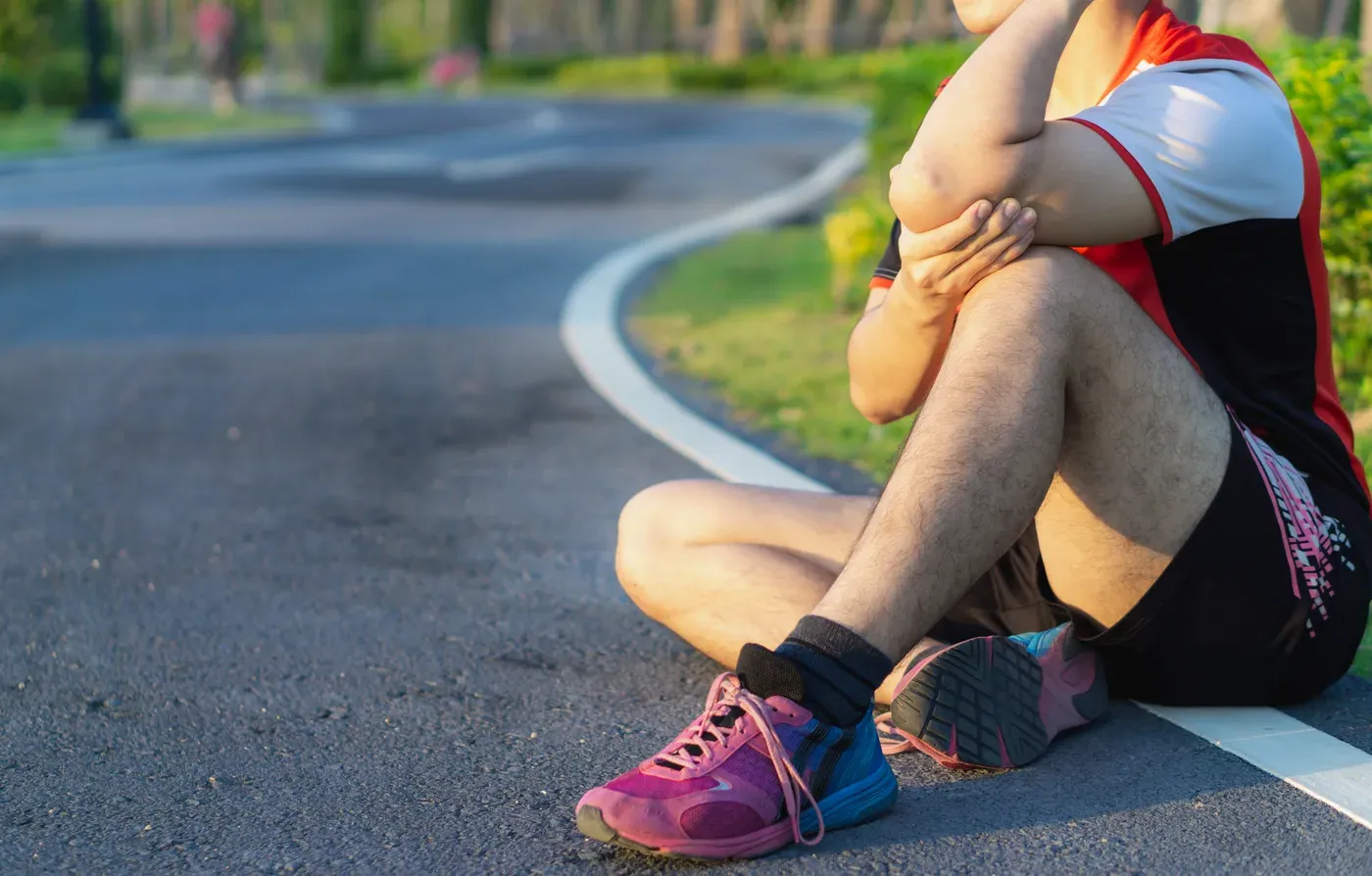
Elbow pain from lifting is most often an irritated tendon where the forearm muscles attach: on the outside of the elbow (tennis elbow) or the inside (golfer’s elbow). It usually builds up from a lot of gripping, curling and pulling, often after a jump in training volume, and desk work with a mouse and keyboard can add to it. You can generally keep training by changing grip, cutting the exercises that flare it, and reducing load for a while. If it hasn’t improved after a couple of weeks of rest from the provoking activities and self-care, get it assessed.
Outside or inside?
| Tennis elbow | Golfer’s elbow | |
|---|---|---|
| Where it hurts | Outside of the elbow | Inside of the elbow |
| Often worse with | Gripping, lifting with palms down, wrist extension (e.g. reverse curls, rows with an overhand grip, mouse work) | Gripping, wrist flexion, curls, pull-ups and chin-ups |
| Common gym triggers | Overhand pulling, heavy deadlift grip, wrist curls | Heavy straight-bar curls, high-volume chin-ups |
The NHS describes tennis elbow as pain around the outside of the elbow that can come from activities involving gripping and repeatedly twisting the wrist and forearm, including computer work. It usually goes away with rest but can sometimes last over a year. That timeline is why it’s worth acting on early rather than training through it for months.
When it’s not a tendon problem
Get prompt medical attention, not a new exercise list, if:
- The pain started with a fall or a sudden pop during a heavy lift, especially with bruising or a visible change in the arm’s shape.
- The elbow is badly swollen or you can’t bend or straighten it.
- You have numbness, tingling or weakness in the hand or fingers.
- The elbow is red, hot and you feel unwell.
The NHS suggests seeing a doctor if elbow pain is still there after at least two weeks of rest and self-care.
Training around it: grip and exercise swaps
| If this hurts | Try this |
|---|---|
| Straight-bar curls | Neutral-grip (hammer) curls, or an EZ-bar with a lighter load |
| Wide-grip pull-ups | Neutral-grip pulldowns, or rows with a neutral handle |
| Chin-ups | Reduce volume; use a band for assistance; see the chin-up guide for grip options |
| Heavy deadlifts (grip) | Lifting straps for heavy sets, so the forearm isn’t working at its limit |
| Overhand barbell rows | Chest-supported dumbbell rows with palms facing |
| Skull crushers | Cable press-downs with a rope |
| Wrist curls and reverse curls | Pause them during a flare |
Pressing usually affects the elbow less, but if close-grip bench or dips hurt, swap to dumbbell presses with a neutral grip. If your shoulders are also involved, the shoulder pain guide has more pressing swaps.
Load rules while it settles
- Cut the total pulling and curling volume by about half for two to three weeks.
- Avoid gripping to the limit. Use straps on heavy pulls and stop sets before your grip fails.
- Keep the rest of the program. Legs, pressing and core work usually continue as normal.
- Use the next-day test. If the elbow is worse the morning after a session, reduce again.
- Look at your desk. A mouse at the edge of the desk, hours of typing with bent wrists, or a death grip on a phone all add up.
A physiotherapist can give you a specific strengthening program for the tendon, which commonly includes slow, loaded wrist and forearm exercises progressed over weeks. You can check that a physiotherapist is registered with the College of Physiotherapists of Ontario. Follow their plan rather than a generic one, because the right dose depends on how irritable your elbow is.
Rebuilding after a flare
Once daily activities are comfortable and the next-day test is passing:
| Week | Pulling and curling | Grip work |
|---|---|---|
| 1–2 | Neutral grips only, about half your old volume | None beyond normal lifting |
| 3–4 | Add one set per exercise; reintroduce chin-ups with a band | Light farmer’s carries |
| 5–6 | Back to normal volume with neutral grips | Normal carries |
| 7+ | Reintroduce straight-bar curls, lighter at first, if you still want them | Normal |
Many men find they don’t need to go back to straight-bar curls at all. Hammer curls and neutral-grip pulling build the same muscles with less complaint.
Golf, racquet sports and the gym
If you play golf, tennis or pickleball, the sport may be part of the load. Reduce the number of swings or games for a few weeks rather than stopping, and get a pro to look at your grip and equipment. The guide to golf fitness for men over 40 covers how to train for the game without overloading the forearms.
The bottom line
Elbow pain from lifting is usually a tendon that’s been asked to do too much gripping and pulling too quickly. Change the grip, cut the provoking volume, keep training everything else, and get a physiotherapist involved if it hasn’t improved after two weeks. Tendons can be slow to settle, so patience pays. If you’d like a coach to adjust your program around your elbows while you work with a physiotherapist, weekly 1:1 coaching starts from $99 a week.
Questions people also ask
Should I stop lifting with tennis elbow?
Usually you can keep lifting with changes. Reduce or swap the exercises that provoke it, especially heavy gripping and curling, keep training everything else, and let a physiotherapist guide a specific strengthening plan if it doesn't settle.
What's the difference between tennis elbow and golfer's elbow?
Tennis elbow causes pain on the outside of the elbow; golfer's elbow causes pain on the inside. Both are linked to repeated gripping and wrist or forearm movements, and you don't need to play either sport to get them.
How long does tennis elbow take to go away?
NHS guidance says tennis elbow usually goes away with rest but can sometimes last over a year. See a doctor if pain is still there after at least two weeks of rest and self-care.
Do elbow straps or braces help?
Some people find a forearm strap makes lifting or daily tasks more comfortable. It doesn't fix the cause, so pair it with changes to your training and get advice from a physiotherapist.